
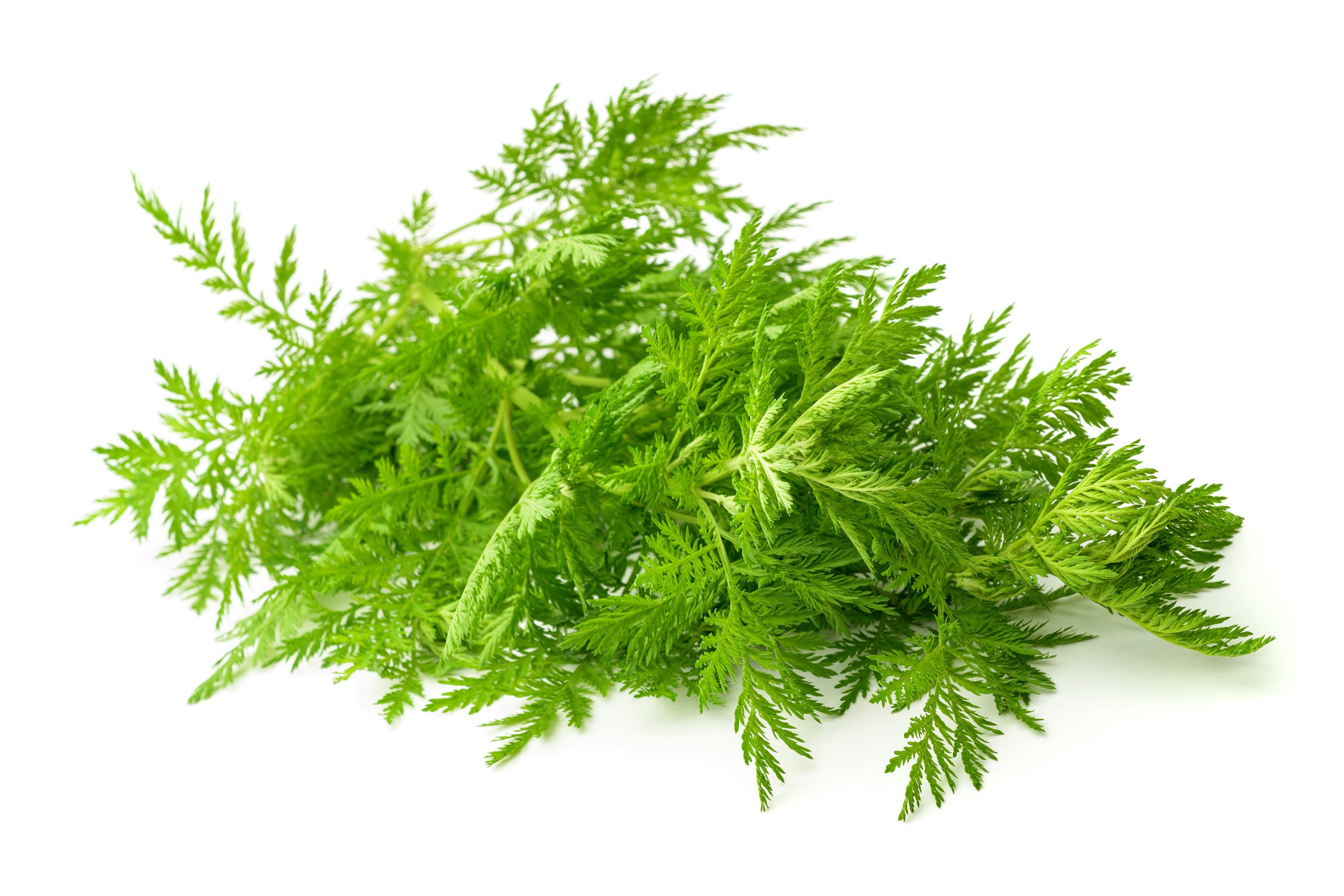
Artemisia annua, also known as Annual Mugwort or Sweet Wormwood, is a medicinal plant that has been used for centuries in Traditional Chinese Medicine (TCM). Originally from Asia, Artemisia annua has since become native to many parts of the world. The plant is famous for its constituents, especially artemisinin, which has come into the limelight in recent years due to its effective application against malaria.
Botanical Description
Artemisia annua is an annual herbaceous plant from the Asteraceae family, which can reach a height of up to 2 meters. The plant has a strong, sweetish scent, which is due to the numerous essential oils contained in the leaves, stems, and flowers. The plant blooms from July to October and produces small yellow flowers that stand together in dense clusters.
Historical Use and Traditional Medicine
The use of Artemisia annua in traditional Chinese medicine goes far back. Historical texts report that it was used for fever and malaria. In addition to malaria treatment, the plant was also used to treat anemia, bleeding, and skin diseases.
Artemisinin and Its Role in Malaria Treatment
Artemisinin is a naturally occurring active ingredient in Artemisia annua that has attracted great attention due to its remarkable efficacy against malaria. In 2015, Chinese scientist Tu Youyou received the Nobel Prize for Medicine for her work on isolating artemisinin and its role in malaria therapy. Artemisinin and its derivatives are now the cornerstone of malaria therapy and have helped to better control the disease and save millions of lives. These substances act quickly and effectively against all stages of the malaria pathogen Plasmodium and show a lower risk for the development of resistance compared to other malaria drugs.
Potential Further Medical Applications
In addition to treating malaria, some research suggests that Artemisia annua and its constituents may offer additional health benefits. As with any remedy, application and dosage should always be under the guidance of a doctor. Although further investigation is needed to confirm these applications, some potential areas of interest include:
Antiviral Action
Some studies have found evidence of the antiviral effect of artemisinin and its derivatives, including against viruses that cause Hepatitis and Herpes. Further research is needed to confirm these findings and explore the practical application of these insights.
Cancer-Fighting Properties
Some preclinical studies have shown that artemisinin and its derivatives have the potential to fight cancer cells. It has been found that these compounds could be effective against a range of cancers, including breast, lung, and colorectal cancer. However, it is important to emphasize that this is an active area of research and further studies are needed to confirm the clinical application of artemisinin in cancer treatment.
Conclusion
Artemisia annua is an impressive medicinal plant, whose main active ingredient, artemisinin, has revolutionized malaria treatment and has the potential to be used in other areas of medicine. It is important to support further research to realize the full potential of this plant and to explore how it can best be used to improve human health. Despite its potential, the plant should always be used under the supervision of health experts to avoid side effects and achieve the best benefit.