
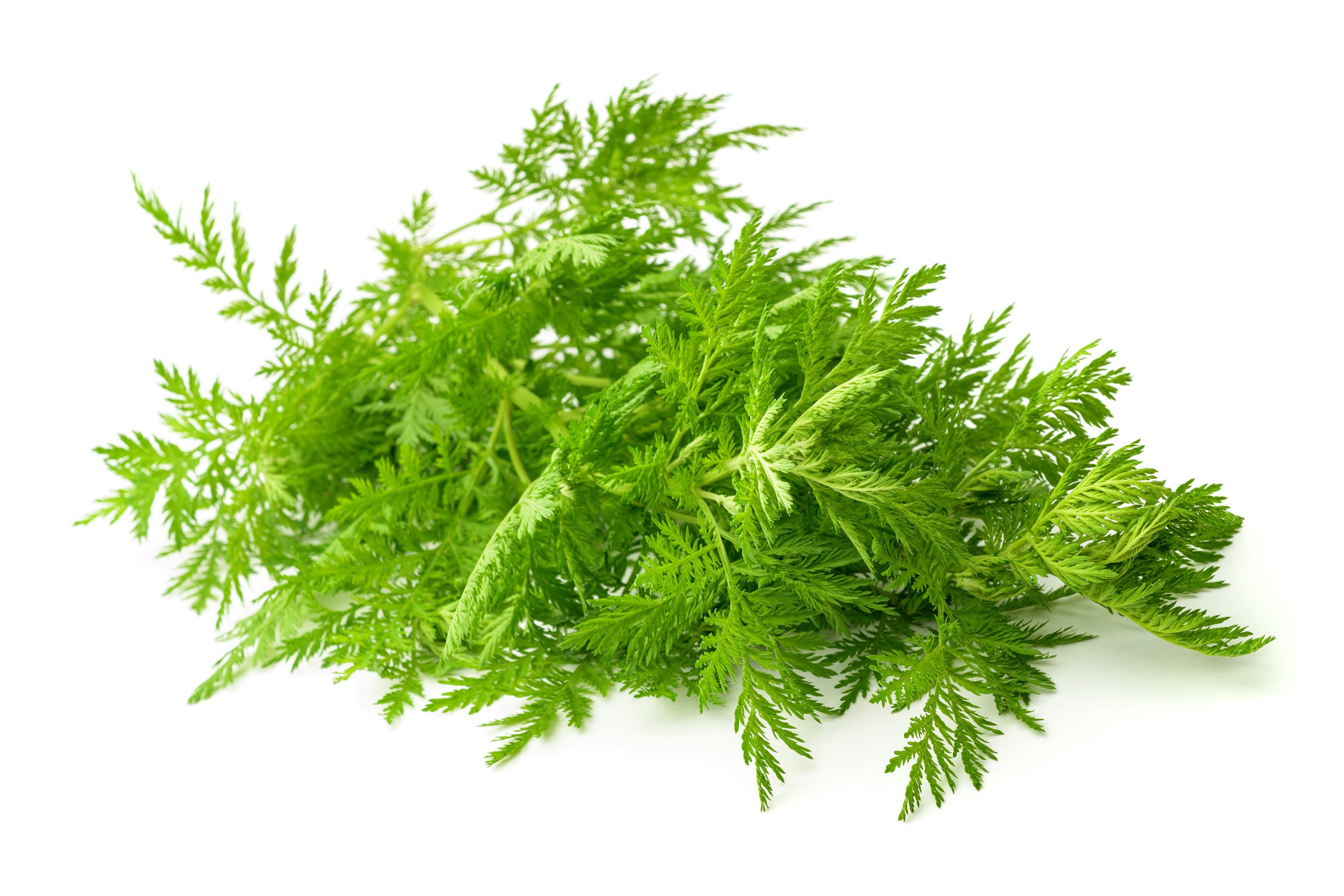
Sweet wormwood, also known as Artemisia annua or 'Sweet Wormwood', is a plant that has been used in traditional Chinese medicine for centuries. However, its prominence in the Western world has only grown in recent decades, particularly due to its potential use in malaria therapy. This article highlights the various uses and effects of Artemisia annua and discusses its scientific relevance.
Historical Background
The use of Artemisia annua in traditional Chinese medicine dates back over 2000 years. In ancient Chinese texts, it was described as a remedy for fever and various other diseases. However, it was the discovery of its active ingredient, artemisinin, in the 1970s that gave it a central role in modern malaria treatment.
Active Ingredient Artemisinin and Its Importance
Artemisinin is a sesquiterpene lactone extracted from the leaves and flowers of Artemisia annua. It has proven to be particularly effective against the malaria parasites Plasmodium falciparum, responsible for the most dangerous form of malaria in humans.
Scientific studies have shown that artemisinin and its derivatives attack the parasites at an early developmental stage and quickly remove them from the bloodstream. Due to their effectiveness and speed, they have become a central component of combination therapy against malaria.
Other Uses of Artemisia annua
Besides treating malaria, there are indications that the plant can help with various other ailments:
- Fever and Inflammation: The traditional use of Artemisia annua for fever is not solely due to its effect against malaria. It is believed to possess general anti-inflammatory properties as well.
- Antioxidant Effects: Some studies have shown that the plant has antioxidant properties that may help protect the body from oxidative stress.
- Antimicrobial Activity: There are indications that Artemisia annua can be effective against a range of bacteria and viruses, explaining its traditional use in various infectious diseases.
- Immune System Support: Some research suggests that the plant can strengthen the immune system by stimulating the activity of white blood cells.
Dosage and Administration
Artemisia annua can be taken in various forms, including tea, tinctures, capsules, and powders. The exact dosage can vary depending on the preparation and purpose of use.
It is important to emphasize that while Artemisia annua offers many potential health benefits, it is advisable to discuss its intake and dosage with a doctor or specialist. This ensures that it is used safely and effectively and that possible interactions with other medications or conditions are considered.
Conclusion
Artemisia annua has a long history in traditional medicine and has proven its worth in modern science, especially regarding malaria treatment. Its diverse applications and effects make it an interesting plant for researchers and health enthusiasts alike. However, as with all natural products, it is important to carefully examine its use and consult a doctor before intake.
